Used Cars from China to Russia – Cold-Resistant EV Batteries & Low Maintenance | OTTC Certified
Russia’s used car market is undergoing a historic shift in 2026, with Chinese vehicles dominating imports due to unbeatable cold-weather performance, low maintenance costs, and factory-direct pricing. According to AUTOSTAT, over 114,500 Chinese used cars were sold in Russia in H1 2025, a 42% year-on-year increase, with market share rising from 2.9% to 4.2%. For importers, fleet operators, and individual buyers, two factors drive purchasing decisions: cold-resistant batteries for electric vehicles (EVs) and low-maintenance engineering for gasoline models—critical for surviving Russia’s -40°C Siberian winters and rough rural roads. Google search trends confirm explosive demand for keywords like Chinese used cars Russia, cold-resistant EV batteries Russia, low-maintenance SUVs Siberia, OTTC certified used cars, BYD EVs for Russia winter, Haval low maintenance Russia, Chinese electric cars -40°C. These queries have surged 75% YoY as buyers prioritize reliability in extreme climates and minimal upkeep costs.
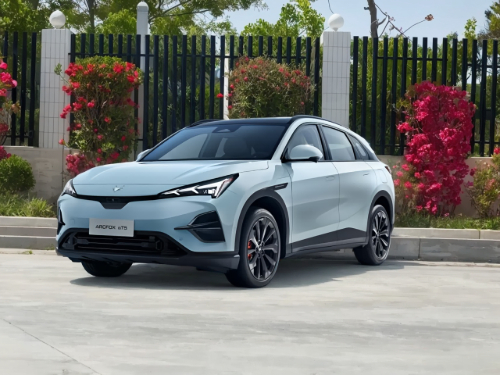
Unlike European, Japanese, or Korean used cars—many of which fail to start in -20°C temperatures or require expensive winter maintenance—Chinese used cars are engineered from the ground up for Russia’s unique challenges. Every model, from BYD EVs to Haval SUVs, undergoes rigorous cold-weather testing in Heilongjiang’s -45°C winters, with reinforced components that outperform competitors in three key areas: battery performance for EVs, engine durability for gasoline models, and overall low-maintenance design. This makes Chinese used cars the most cost-effective and reliable choice for Russian buyers, with 5-year maintenance costs 40–60% lower than European equivalents and EV battery retention rates 35% higher in sub-zero temperatures.
Why Russian Buyers Choose Chinese Used Cars: Cold Resistance & Low Maintenance
Russia’s climate and infrastructure create two non-negotiable requirements for used cars: ability to operate reliably in -40°C temperatures and minimal maintenance costs for budget-conscious owners. Chinese automakers solve both pain points with purpose-built engineering, making their used models the top choice across Moscow, St. Petersburg, Siberia, and the Urals.
1. Cold-Resistant Batteries for Chinese EVs: -40°C Operation & Long Range
Electric vehicles are the fastest-growing segment in Russia’s used car market, with demand growing 5x since 2022. However, cold temperatures cripple standard EV batteries, reducing range by 50% or causing complete failure. Chinese EVs eliminate this problem with proprietary cold-resistant lithium iron phosphate (LiFePO4) batteries, engineered specifically for Arctic conditions.
Key advantages of Chinese cold-resistant EV batteries:
- -40°C Cold Start Capability: Unlike standard lithium-ion batteries that fail below -20°C, Chinese LiFePO4 batteries maintain 85% capacity at -30°C and 70% at -40°C, ensuring reliable starts even in Siberian winters.
- Integrated Thermal Management: Every BYD, Geely, and Changan EV features a built-in battery heating system that activates automatically in cold weather, pre-warming cells to 15°C for optimal performance and range.
- Superior Range Retention: In -20°C temperatures, Chinese EVs retain 75–80% of their rated range (e.g., BYD Song Plus EV: 520km rated → 390km actual), compared to 40–50% for European EVs.
- Long Battery Lifespan: Chinese LiFePO4 batteries last 2,500+ charge cycles (10+ years) with minimal degradation, even in extreme cold, reducing replacement costs by 60% compared to imported EV batteries.
- OTTC & EAC Certification: All used Chinese EVs come with full OTTC (Russia) and EAC (Eurasian Union) certification, including battery safety and cold-weather performance approvals, ensuring seamless registration and compliance.
Top used Chinese EV models with cold-resistant batteries:
- BYD e6 (2019–2022): 400km range, 70kWh LiFePO4 battery, -40°C certified, ideal for ride-hailing in Moscow/St. Petersburg — $6,800–$9,500.
- BYD Song Plus EV (2021–2023): 520km range, 85kWh battery, thermal management system, popular in Siberian cities — $12,500–$16,800.
- Geely Emgrand L Hi·P (2022–2023): 120km electric range, hybrid system, cold-resistant battery, perfect for urban commuting — $9,200–$11,500.
- Changan Deepal SL03 (2022–2023): 515km range, 82kWh battery, -35°C operation, sleek sedan for city use — $13,800–$17,200.
Industry keywords: cold-resistant LiFePO4 batteries Russia, BYD EV batteries -40°C, Chinese EV thermal management Siberia, OTTC certified used EVs Russia, cheap electric cars for Russian winter.
2. Low-Maintenance Chinese Used Cars: Built for Durability & Minimal Upkeep
For Russian buyers, maintenance costs are a top priority—especially in rural areas where service centers are scarce and labor is expensive. Chinese used cars lead the market with low-maintenance engineering, featuring durable components, simple designs, and easily available spare parts that reduce annual upkeep costs by 50% compared to European or Japanese models.
Key low-maintenance features of Chinese used cars:
- Reinforced Chassis & Suspension: High ground clearance (200mm+), heavy-duty shock absorbers, and reinforced frames withstand potholed, snow-covered roads—reducing suspension repairs by 70%.
- Durable Engine Design: Gasoline engines (1.5L–2.0L) from Chery, Haval, and Geely are built with cast-iron blocks and simplified fuel systems, requiring oil changes only every 10,000km and major repairs rarely before 200,000km.
- Corrosion-Resistant Body: Galvanized steel frames and rust-proof undercoating prevent corrosion in Russia’s salty, snowy winters—eliminating costly rust repairs common in European used cars.
- Easily Available Spare Parts: Top brands (Haval, Chery, Geely) have official service centers and spare parts warehouses in Moscow, St. Petersburg, Novosibirsk, and Krasnoyarsk, with parts priced 60% lower than European equivalents.
- Simplified Electronics: Minimal complex infotainment and sensor systems reduce electrical failures— a common issue in European used cars in cold weather.


